Looking after your instrument
Many of the people I provide instruments to are starting out on their journey with the instrument, so they ask me for advice on how to look after their trumpet/cornet/flugel. This is a brief summary of the advice I would give anyone to help get the best from their instrument (for as long as possible). If you are an experienced player, this might not be for you – but you never know, there might be a useful reminder in here somewhere….
My four basic tips for looking after your instrument
2. Wipe your instrument before putting it back in the case


1. Oil your valves regularly!
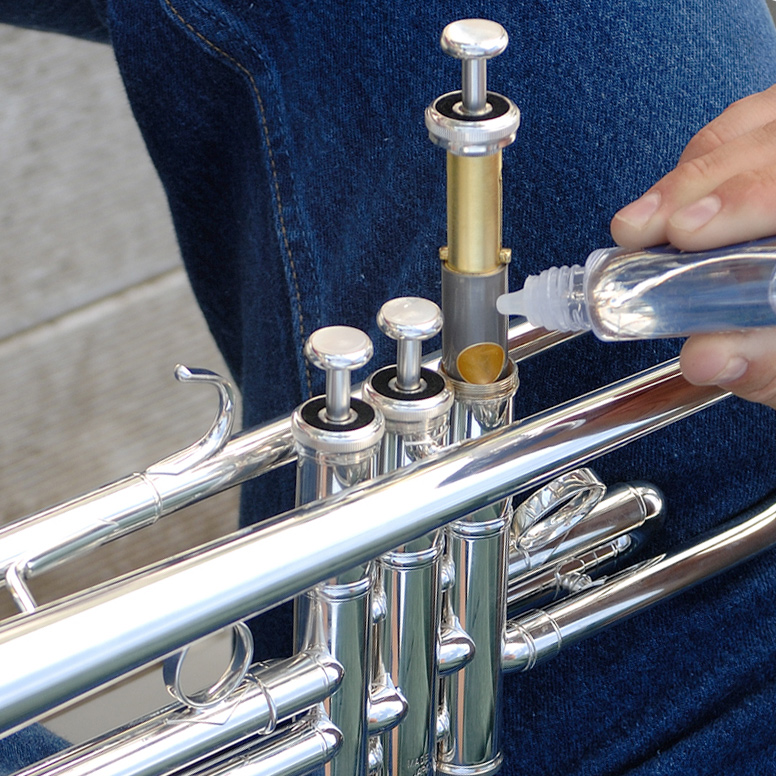
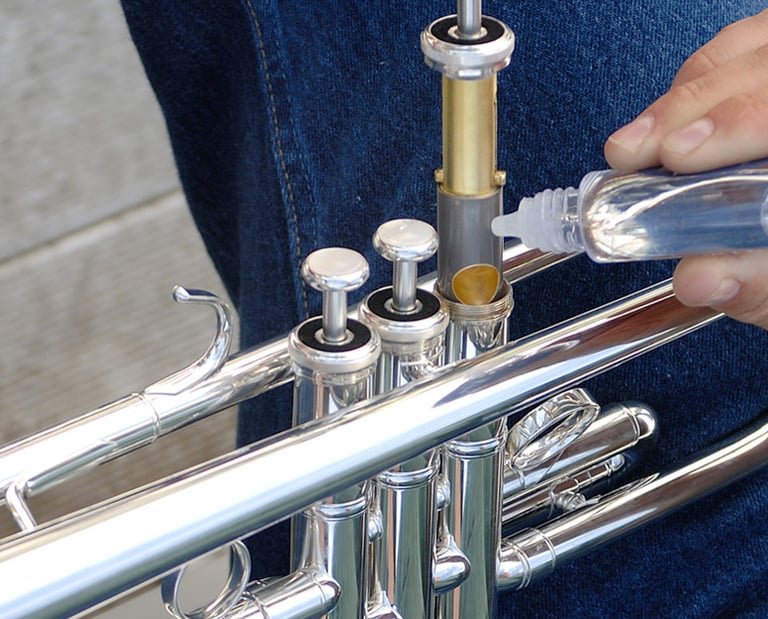
Ideally, you should be oiling your valves at least once or twice a week. But you can often tell by ‘feel’ - if your valves feel sluggish, then it’s time to put some on. Don’t worry about putting too much oil on – you can’t overdo it – it’s better to have too much than not enough.
Here’s a video on how to do it: https://www.youtube.com/watch?v=OK-12lHJIsM
There are lots of valve oils out there – they are all going to work for you. I would suggest you pick one brand you like and stick with it – don’t mix different valve oils together. For modern instruments, brands like Blue Juice, Al Cass, Holton, Superslick, La Tromba, Champion etc are all going to be fine. If you have a vintage instrument, your valves may be a bit ‘looser’ in their casing, so a thicker synthetic valve oil might be more effective. Brands like Hetmans, Yamaha Vintage, Meinlschmidt heavy piston are great for older instruments.
Finally, be prepared - oil your valves before you play, not during. I’ve seen many players find this out the hard way; oiling your valves in an emergency on stage is doable but can be stressful!
2. Wipe your instrument down
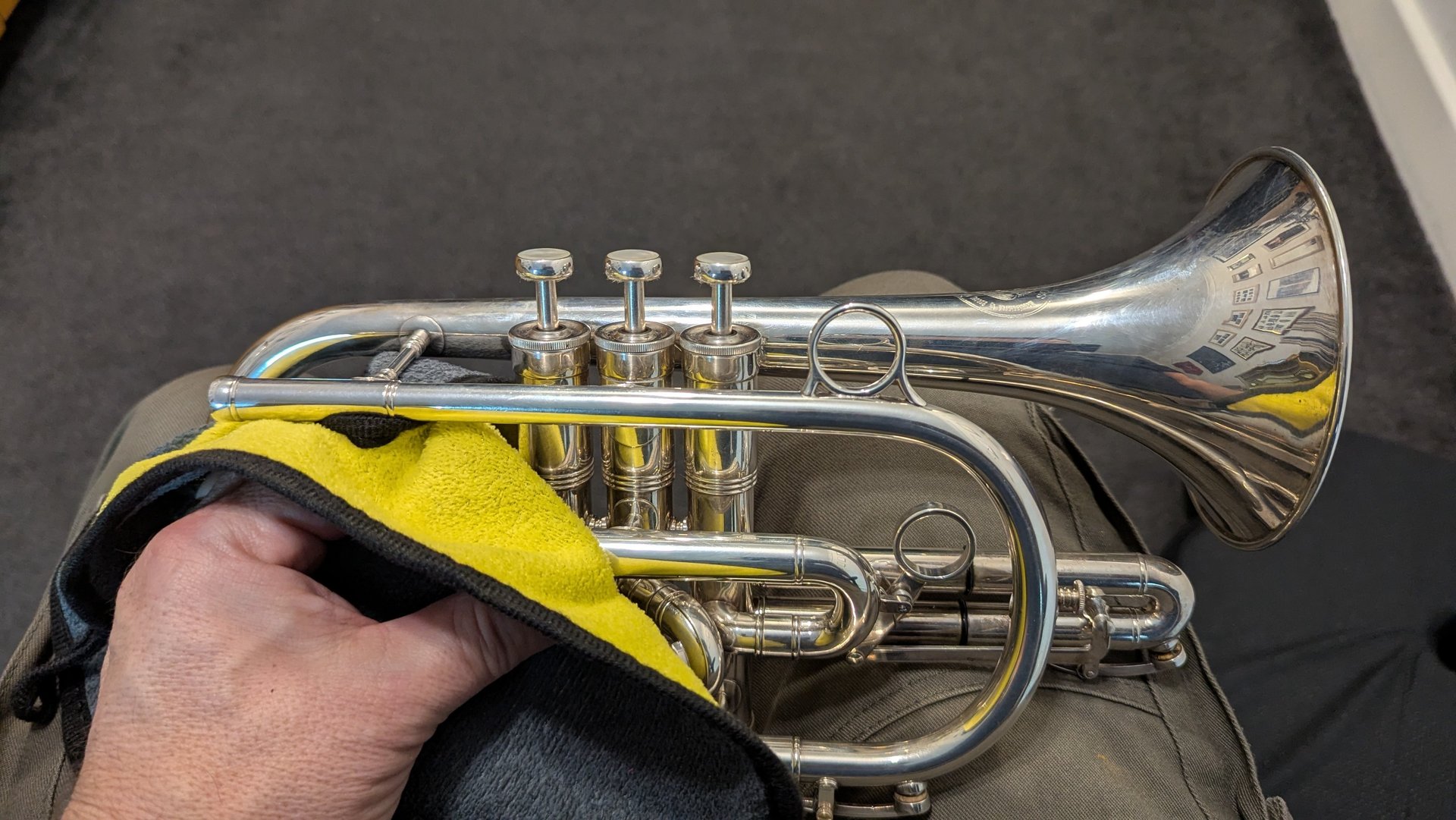
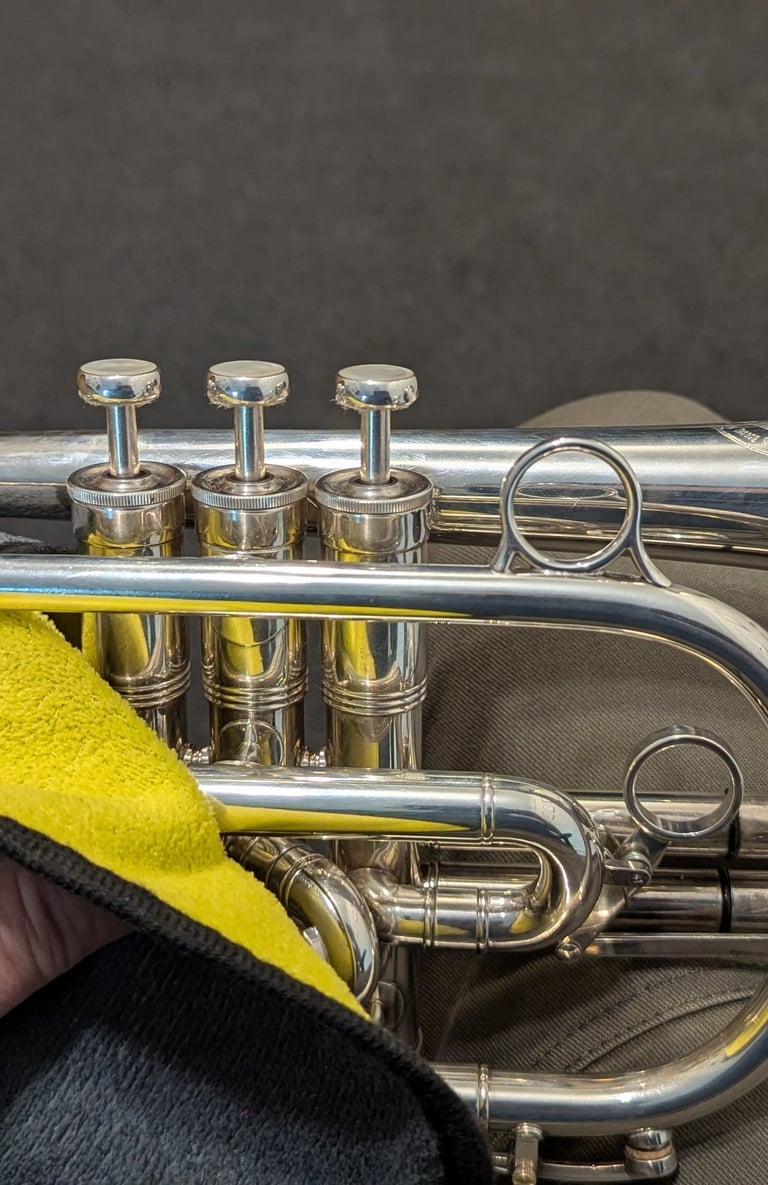
The sweat from your hands can be quite corrosive and can damage the lacquer and finish on your instrument if left untouched. I often see where a holding thumb or hand has worn away the finish around the valve block. Try never put your instrument in the case ‘wet’ – just give it a quick wipe with a cloth before you put it back. A microfibre cloth, or a 100% cotton cloth will do – just keep one in the case handy.
Some people use protective ‘valve guards’ (typically leather covers) to protect the finish on their instrument. I’m not a big fan of these – they look ugly and, in the long run, they get wet, smelly and mouldy themselves, not really solving the problem. A simple cloth will be your friend!
3. Use (proper) slide grease on your tuning slides
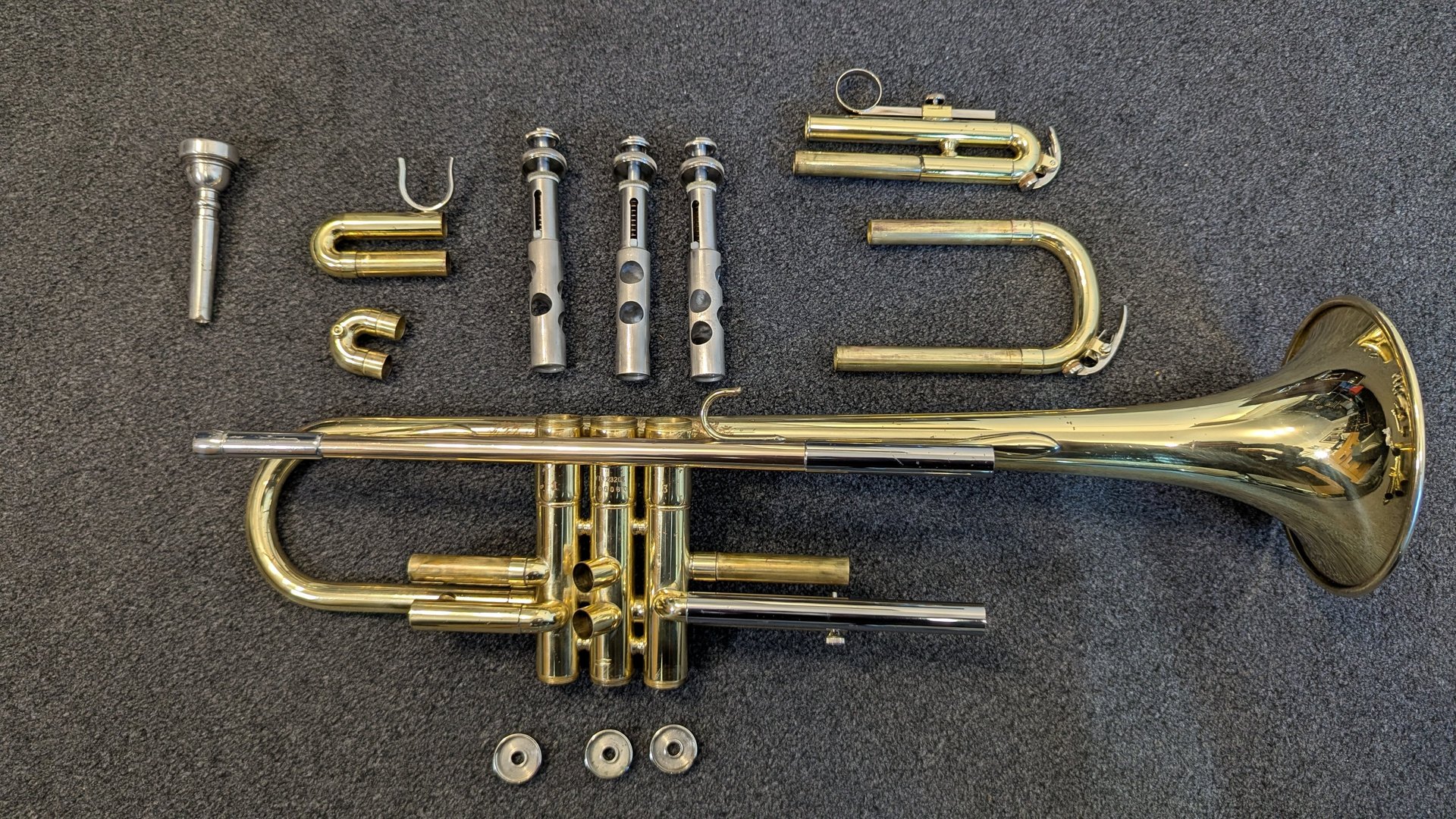
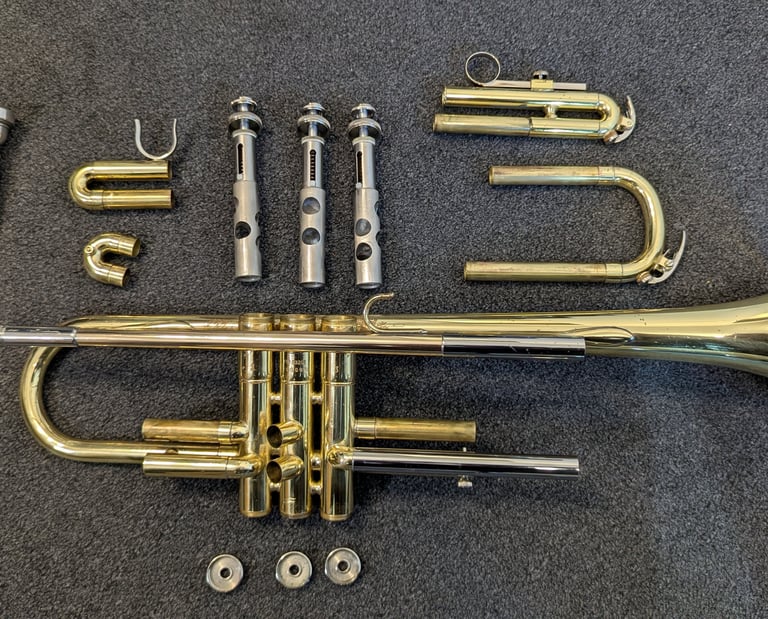
Your tuning slides are the three slides attached to each valve and the main tuning slide (typically the biggest one). You should be checking that all your slides move or can be removed and are greased. Ideally, you should do this once a month. (Take the slides out, wipe the old grease off, put the new grease on)
The important thing here is to use dedicated tuning slide greases or lubricants. DO NOT USE VASELINE! This used to be what many people used years ago but Vaseline can gum up and corrode your slides, particularly if they are left alone for a while. I spend a lot of time freeing ‘stuck slides’ and they can be really stuck - enough to cause real damage to your instrument if you try and pull too hard.
Use dedicated tuning slide grease brands like Superslick, Ultrapure, UltraGlide or those from the manufacturers (Bach, Yamaha etc). These will work on all of your slides and they should not seize up (and you can even put a drop of grease on the threads where your valve caps and bottom screw on to keep them moving too).
As your playing advances, you will need to move your third valve slide (and possibly your first valve slide) as you play to help tune your notes. These slides will need to move quickly and slickly, so sometimes the slide grease can be too thick for this. You can drop a bit of valve oil on the slide to make the existing grease a bit thinner and slicker or you can use more oil base slide lubricants (such as Hetmans) to help with this
4. Use a good case (and secure the contents)
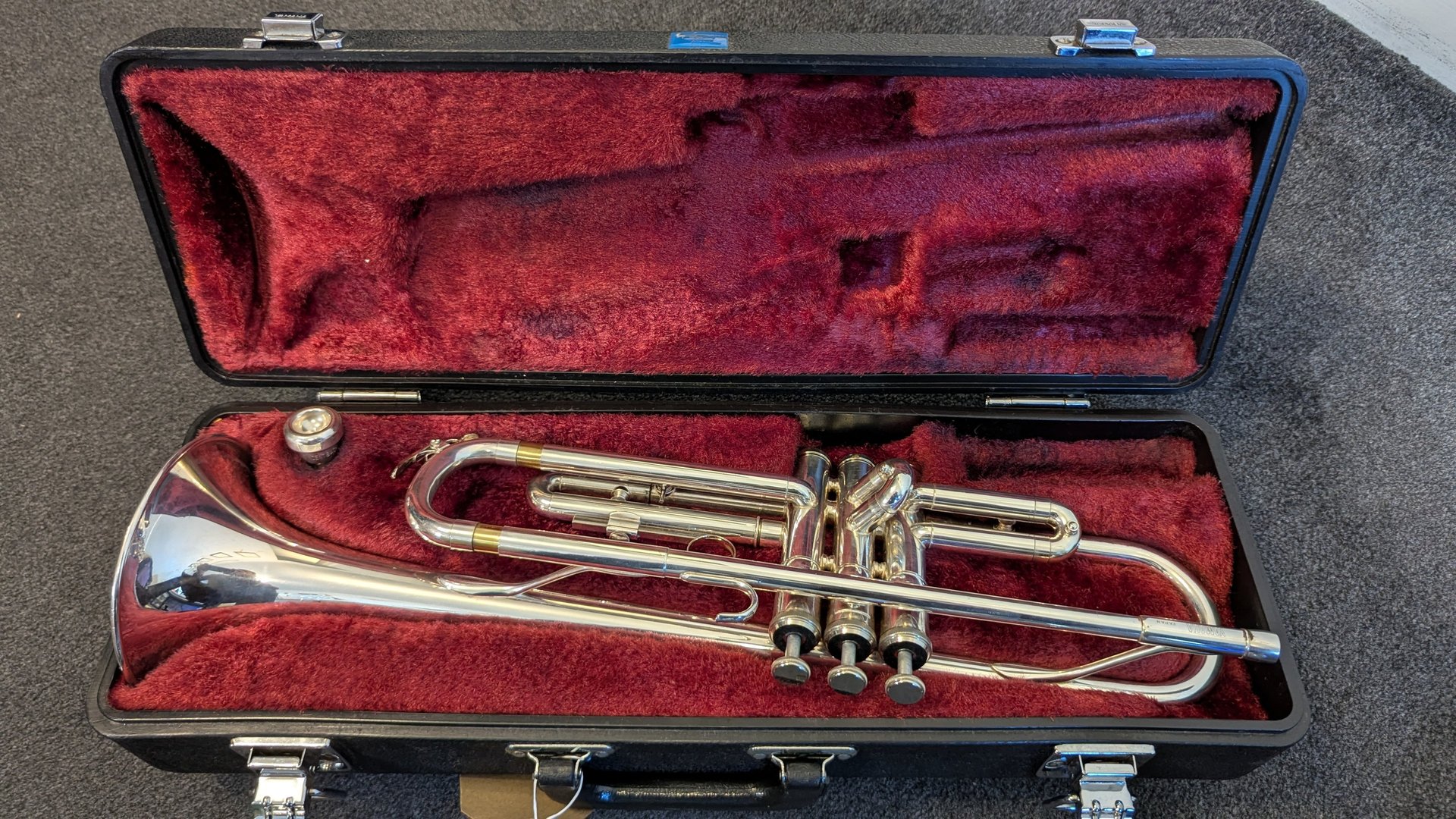
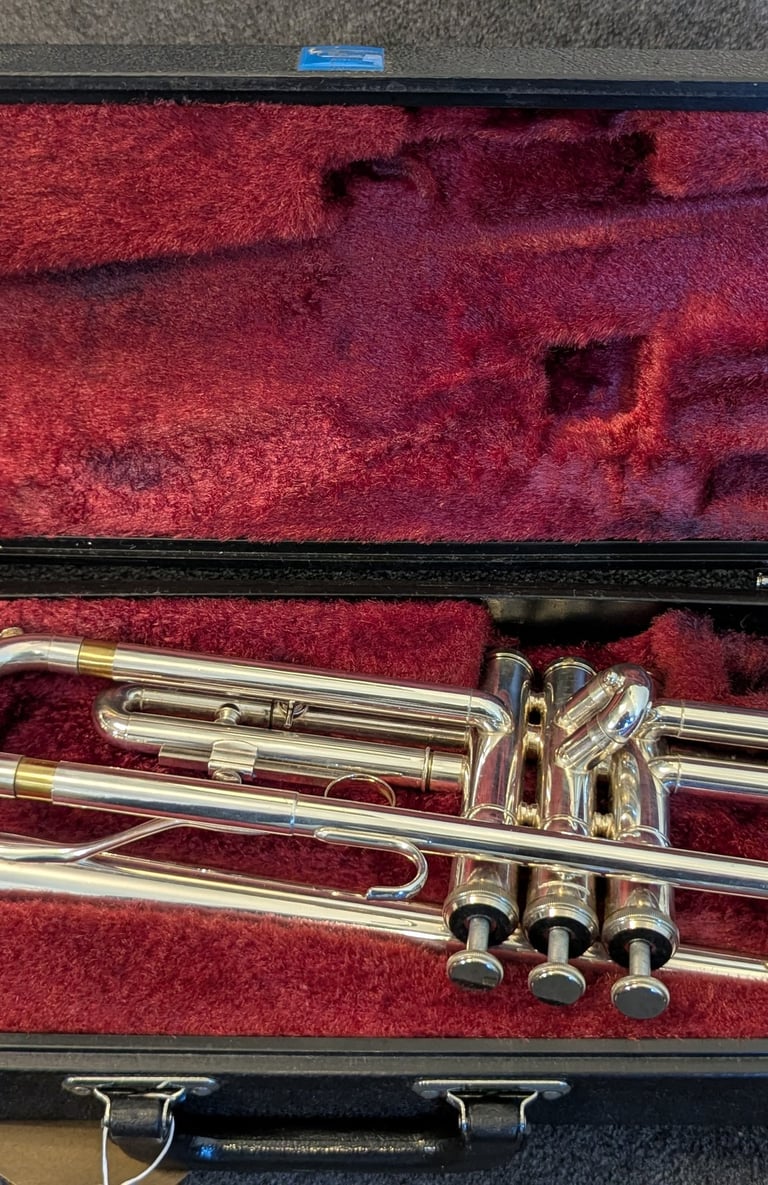
Most of the time your instrument is going to be out of sight, in a case or bag - not in your hands. You need to feel reassured that, when somebody accidentally kicks it, shuts a door on it, shoves another case on top, your instrument is going to be undamaged.
Whilst it’s really convenient to have a light, soft ‘gig bag’ to throw over your shoulder – you are often trading off the protection. Think about where you are going to take your instrument and get a good case for that situation. There are good ‘hybrid’ options out there, that combine portability and protection – hard cases with shoulder straps etc. It only takes one major mishap and you’ll end up having to buy one anyway!
Once our instrument is in the case, you still need to think about how any other contents in there (mouthpiece, stands, oil bottles, mutes etc) could move about. I see so many small dings on instruments, where mutes and mouthpieces have moved around in the case and hit the instrument. These are often small, sharp marks that are actually harder to remove than bigger dents and damage. Make sure they are secure or put them in a pouch inside the case – you’ll thank me later!
Contact: David WALKER
david@brassrevival.co.uk